AP CURRICULUM
AP CURRICULUM
Filters
SHORT DESCRIPTION
A comprehensive AP Comparative Government and Politics Unit 2 PowerPoint covering political institutions, government systems, executives, legislatures, judiciaries, and institutional comparisons across the six required course countries.
FULL PRODUCT DESCRIPTION
Teach AP Comparative Government and Politics Unit 2: Political Institutions with a comprehensive PowerPoint presentation designed to help students understand how political authority is organized and exercised.
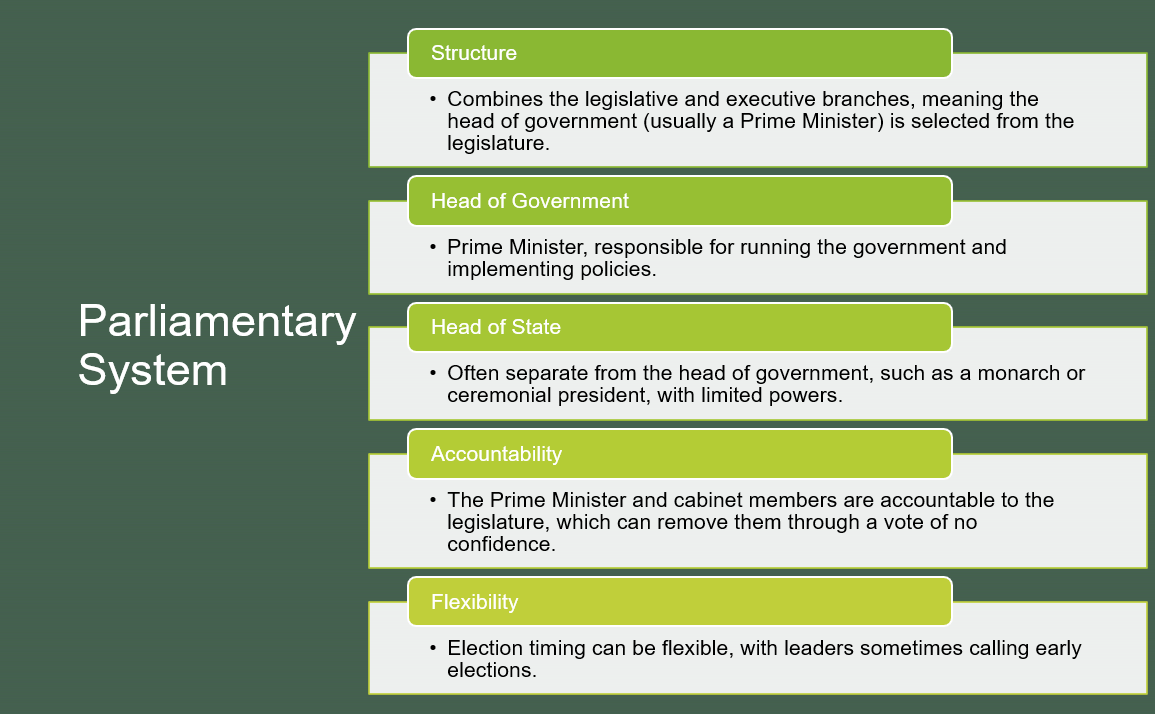
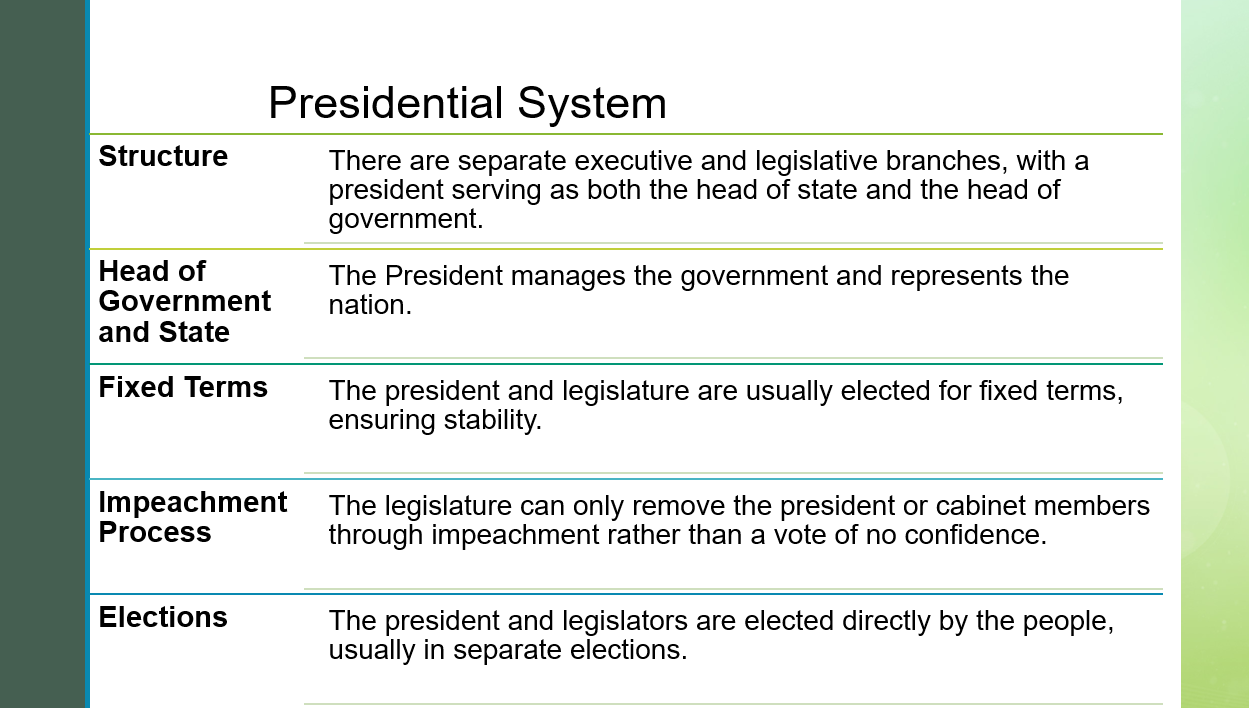
Students compare the political structures and branches of government in China, Iran, Mexico, Nigeria, Russia, and the United Kingdom. The presentation examines parliamentary, presidential, and semi-presidential systems while helping students analyze the roles and relationships of executive, legislative, and judicial institutions.
Unit 2 is one of the most heavily weighted portions of the course, accounting for approximately 22%–33% of the multiple-choice score.
INCLUDES
Complete Unit 2 PowerPoint presentation
Detailed explanations of major political institutions
Content addressing all six required AP Comparative Government countries
Country-specific political examples
Comparative analysis opportunities
Visuals and organized instructional material
AP course-aligned vocabulary and concepts
Material for classroom instruction, review, and exam preparation
TOPICS COVERED
Political institutions
Parliamentary systems
Presidential systems
Semi-presidential systems
Heads of state and heads of government
Executive institutions
Presidents and prime ministers
Cabinets
Legislative institutions
Congressional and parliamentary systems
Unicameral and bicameral legislatures
Judicial institutions
Courts and judges
Judicial independence
Executive-legislative relationships
Institutional checks on political authority
Formal and informal political power
Comparisons among the six required course countries
The College Board identifies parliamentary, presidential, and semi-presidential systems, along with executive, legislative, and judicial institutions, as the central content of Unit 2.
KEY CONCEPTS
How government systems distribute political authority
Differences between parliamentary, presidential, and semi-presidential systems
Selection and removal of political executives
Relationships between executives and legislatures
Legislative structure and policymaking authority
Judicial independence and political influence
Formal constitutional powers versus informal political power
Institutional similarities and differences across course countries
How political institutions support or limit regime authority
BEST FOR
AP Comparative Government and Politics
Comparative politics courses
Honors government courses
Political science electives
Direct classroom instruction
Guided notes
Class discussions
Student review and remediation
AP exam preparation
HIGHLIGHTS
Covers the required Unit 2 political institutions
Incorporates all six required AP Comparative Government countries
Supports comparative analysis and concept application
Helps students understand complex government structures
Provides organized, classroom-ready instructional content
Can be used for teaching, review, or AP exam preparation
Designed to reduce teacher preparation time
WHY FRISSON LEARNING SYSTEMS?
Frisson Learning Systems creates rigorous, classroom-tested educational resources that help students move beyond memorization and develop the analytical skills required for success in advanced coursework and high-stakes assessments.
Resources are created by an experienced social studies educator with a background in psychology, social work, gifted education, and Advanced Placement instruction.
PURCHASE THIS RESOURCE
This resource is purchased and downloaded through Teachers Pay Teachers.
Select the purchase link to view the complete product listing and purchase the digital PowerPoint presentation.
Purchase on Teachers Pay Teachers
PRODUCT DESCRIPTION
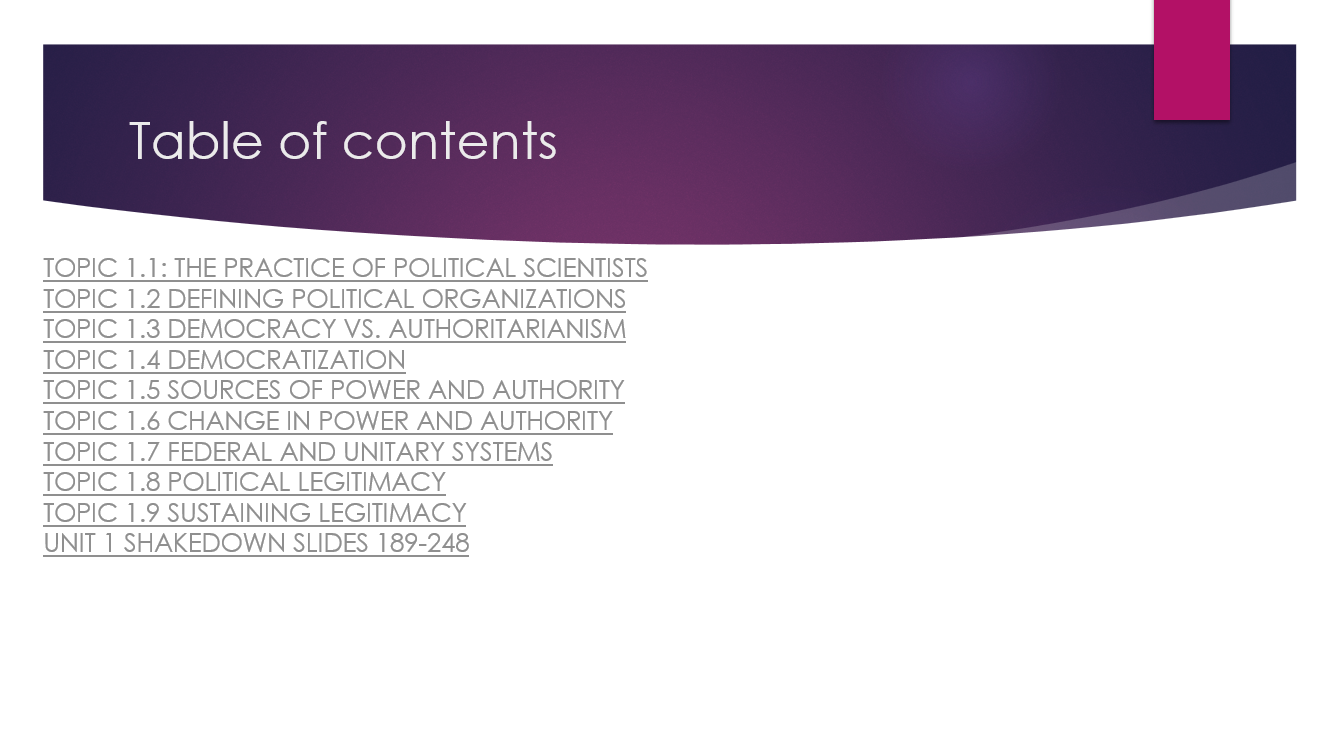
Build the foundational knowledge students need for success in AP Comparative Government and Politics with this comprehensive Unit 1 PowerPoint presentation.
This resource covers Political Systems, Regimes, and Governments while helping students develop the comparison and analysis skills required throughout the AP course. Students examine how governments establish authority, maintain legitimacy, respond to political change, and organize power.
Course concepts are connected to the six required AP Comparative Government countries:
China, Iran, Mexico, Nigeria, Russia, and the United Kingdom
Topics Covered
The comparative method
States, nations, regimes, and governments
Sovereignty and political authority
Sources of political legitimacy
Democracy and authoritarianism
Rule of law
Federal and unitary systems
Political stability and regime maintenance
Democratization
Democratic consolidation
Regime change and political transitions
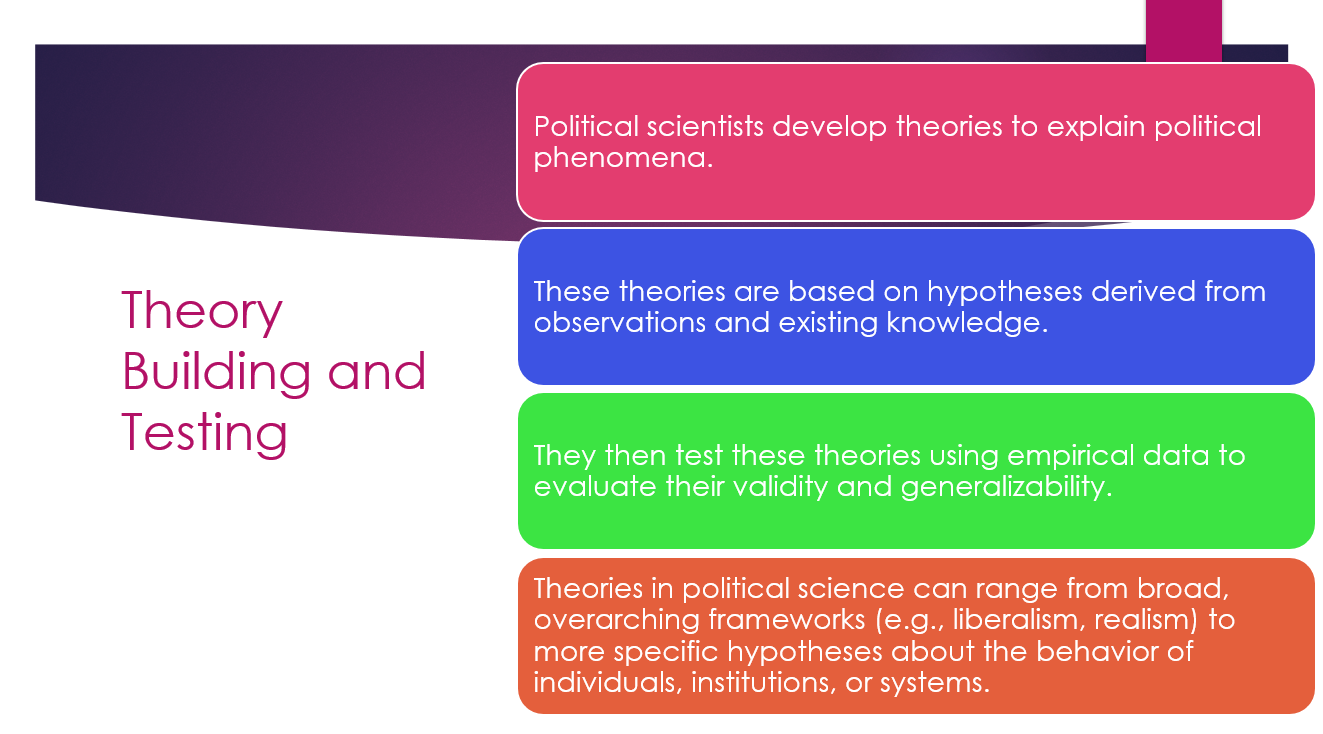
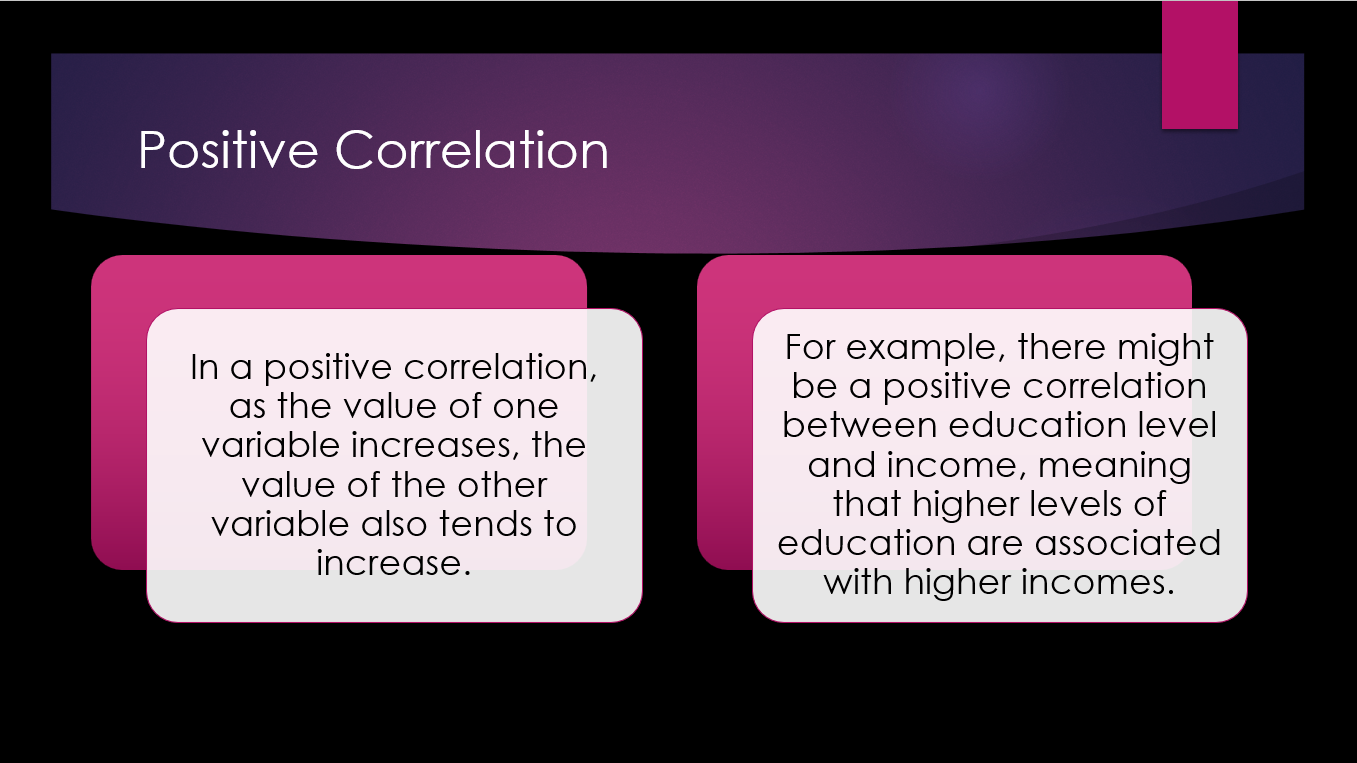
Qualitative and quantitative political analysis
Comparisons among the six required course countries
AP-style concept application and comparison skills
Designed For
Direct classroom instruction
Guided notes
Class discussions
Student review
Remediation
AP exam preparation
Honors government and political science courses
This presentation is designed to help students move beyond memorization and understand how major political concepts operate across different governments and political systems.
PURCHASE INFORMATION
This resource is purchased and downloaded through Teachers Pay Teachers.
Select the link below to view the complete product listing and purchase the digital PowerPoint presentation.
Purchase on Teachers Pay Teachers
FRISSON LEARNING SYSTEMS
Frisson Learning Systems creates rigorous, classroom-tested educational resources that help students build connections, challenge assumptions, and develop the analytical skills required for success in advanced coursework and high-stakes assessments.
Resources are created by an experienced social studies educator with a background in psychology, social work, gifted education, and Advanced Placement instruction.
A comprehensive, classroom-ready AP U.S. Government and Politics PowerPoint bundle covering voting, elections, political parties, interest groups, campaign finance, and the media.
AP U.S. Government Unit 5 PowerPoint Bundle
Political Participation
This comprehensive PowerPoint presentation covers the major concepts and learning objectives in Unit 5 of AP U.S. Government and Politics. It is designed to support daily classroom instruction, reinforce essential course content, and prepare students for AP-style questions.
Unit 5 examines how individuals and organized groups participate in American politics. Students explore voting behavior, elections, political parties, interest groups, campaign finance, and the changing role of the media.
Includes
Comprehensive Unit 5 PowerPoint presentation
Voting rights and voter behavior
Voter turnout and political participation
Political parties and party systems
Interest groups and lobbying
Elections and campaign strategy
Campaign finance
The Electoral College
Mass media and political communication
Foundational document integration
Required Supreme Court case connections
AP Government vocabulary support
Visual explanations and real-world applications
Classroom-ready lecture structure
Review and reinforcement opportunities
Topics Covered
5.1 Voting Rights and Models of Voting Behavior
5.2 Voter Turnout
5.3 Political Parties
5.4 How and Why Political Parties Change and Adapt
5.5 Third-Party Politics
5.6 Interest Groups Influencing Policy Making
5.7 Groups Influencing Policy Outcomes
5.8 Elections
5.9 Congressional Elections
5.10 Presidential Elections
5.11 Campaign Finance
5.12 The Media
5.13 Changing Media
Foundational Documents
U.S. Constitution
Federalist No. 10
Federalist No. 51
Supreme Court Case Connections
Only keep cases actually included in your presentation.
Citizens United v. Federal Election Commission
Baker v. Carr
Shaw v. Reno
Key Concepts
Political Participation
Voting Rights
Voter Turnout
Rational-Choice Voting
Retrospective Voting
Prospective Voting
Party Identification
Political Parties
Third Parties
Interest Groups
Lobbying
Political Action Committees
Campaign Finance
Electoral College
Incumbency Advantage
Mass Media
Agenda Setting
Horse-Race Journalism
Best For
AP U.S. Government and Politics teachers
Daily classroom instruction
New AP Government teachers
AP exam review and reinforcement
Homeschool and independent learning
Semester or end-of-course review
Highlights
Format: Microsoft PowerPoint
Grades: 9–12, adult education, and higher education
Subjects: Government, civics, political science, and social studies
Designed for AP U.S. Government and Politics instruction
Emphasizes political participation, election analysis, and connections among political institutions and voters
Why Frisson Learning Systems?
Frisson Learning Systems resources use structured instruction, retrieval practice, visual reinforcement, and meaningful connections to support comprehension, retention, and academic success.
Developed from extensive experience teaching government and Advanced Placement courses, these materials help students understand how individuals, political parties, interest groups, campaigns, and the media influence American government.
Purchase This Resource
Available on Teachers Pay Teachers.
A comprehensive, classroom-ready AP U.S. Government and Politics PowerPoint bundle covering political culture, ideology, public opinion, political socialization, and the role of government in American society.
AP U.S. Government Unit 4 PowerPoint Bundle
American Political Ideologies and Beliefs
This comprehensive PowerPoint presentation covers the major concepts and learning objectives in Unit 4 of AP U.S. Government and Politics. Designed for daily classroom instruction and AP exam preparation, this resource helps students understand how beliefs, values, ideology, and public opinion shape government and public policy in the United States.
Includes
Comprehensive Unit 4 PowerPoint presentation
American political culture
Political ideology
Public opinion analysis
Political socialization
Ideological perspectives on public policy
Foundational document integration
AP Government vocabulary support
Charts, graphs, and polling interpretation
Classroom-ready lecture format
Review and reinforcement opportunities
Topics Covered
4.1 American Attitudes About Government and Politics
4.2 Political Socialization
4.3 Changes in Ideology
4.4 Influence of Political Events
4.5 Measuring Public Opinion
4.6 Ideologies of Political Parties
4.7 Ideological Differences and Policy Making
4.8 Economic Policy
4.9 Social Policy
Key Concepts
Political Culture
Political Socialization
Liberalism
Conservatism
Libertarianism
Public Opinion
Scientific Polling
Sampling
Political Efficacy
Political Participation
Fiscal Policy
Monetary Policy
Economic Individualism
Equality of Opportunity
Social Welfare Policy
Foundational Documents
Declaration of Independence
U.S. Constitution
Federalist No. 10
Federalist No. 51
Best For
AP U.S. Government and Politics teachers
Daily classroom instruction
AP review and reinforcement
New AP Government instructors
Homeschool and independent learning
Semester review and exam preparation
Highlights
Microsoft PowerPoint format
Grades 9–12, Higher Education, Adult Education
Subjects: Government, Civics, Political Science, Social Studies
College Board CED aligned
Strong emphasis on interpreting polling data, ideology, and policy analysis
Why Frisson Learning Systems?
Frisson Learning Systems resources are designed around cognitive science, retrieval practice, emotional engagement, and structured reinforcement to support long-term retention and academic success.
Developed by professionals with backgrounds in education, psychology, social work, and student support services, these resources help students understand not only what Americans believe about government, but why those beliefs influence elections, policymaking, and civic participation.
Purchase This Resource
Available on Teachers Pay Teachers.
A comprehensive, classroom-ready AP U.S. Government and Politics PowerPoint bundle covering constitutional protections, civil liberties, civil rights, Supreme Court cases, and social movements.
AP U.S. Government Unit 3 PowerPoint Bundle
Civil Liberties and Civil Rights
This comprehensive PowerPoint presentation covers the major concepts and learning objectives in Unit 3 of AP U.S. Government and Politics. It is designed to support daily classroom instruction, reinforce essential course content, and prepare students for AP-style questions.
Unit 3 examines how the Bill of Rights and the Fourteenth Amendment protect individual liberties and civil rights. Students explore the role of the Supreme Court, selective incorporation, due process, equal protection, and government responses to social movements.
Includes
Comprehensive Unit 3 PowerPoint presentation
Bill of Rights and constitutional protections
First Amendment freedoms
Second Amendment rights
Due process and rights of the accused
Selective incorporation
Privacy rights
Equal protection
Civil rights movements and government responses
Required Supreme Court case integration
Foundational document connections
AP Government vocabulary support
Visual explanations and real-world applications
Classroom-ready lecture structure
Review and reinforcement opportunities
Topics Covered
The current College Board framework effective Fall 2026 organizes Unit 3 into Topics 3.1–3.13.
3.1 The Bill of Rights
3.2 First Amendment: Freedom of Religion
3.3 First Amendment: Freedom of Speech
3.4 First Amendment: Freedom of the Press
3.5 Second Amendment: Right to Bear Arms
3.6 Amendments: Balancing Individual Freedom with Public Order and Safety
3.7 Selective Incorporation
3.8 Amendments: Due Process and the Rights of the Accused
3.9 Amendments: Due Process and the Right to Privacy
3.10 Social Movements and Equal Protection
3.11 Government Responses to Social Movements
3.12 Balancing Minority and Majority Rights
3.13 Affirmative Action
Foundational Documents
The Constitution of the United States
The Bill of Rights
The Fourteenth Amendment
“Letter from a Birmingham Jail”
Supreme Court Cases Included
Only keep the cases that are actually included in your PowerPoint.
Engel v. Vitale
Wisconsin v. Yoder
Tinker v. Des Moines
New York Times Company v. United States
McDonald v. Chicago
Gideon v. Wainwright
Brown v. Board of Education
The revised framework emphasizes applying and comparing required Supreme Court cases throughout this unit.
Best For
AP U.S. Government and Politics teachers
Daily classroom instruction
New AP Government teachers
AP exam review and reinforcement
Homeschool and independent learning
Semester or end-of-course review
Highlights
Format: Microsoft PowerPoint
Grades: 9–12, adult education, and higher education
Subjects: Government, civics, political science, and social studies
Designed for AP U.S. Government and Politics instruction
Unit 3 accounts for approximately 13%–18% of the AP multiple-choice section.
Why Frisson Learning Systems?
Frisson Learning Systems resources use structured instruction, retrieval practice, visual reinforcement, and meaningful connections to support comprehension, retention, and academic success.
Developed from extensive experience teaching government and Advanced Placement courses, these materials help students move beyond memorization and understand how constitutional protections, Supreme Court decisions, and political action shape civil liberties and civil rights.
Purchase This Resource
Available on Teachers Pay Teachers.
A comprehensive, classroom-ready AP U.S. Government and Politics PowerPoint bundle covering Congress, the presidency, the judiciary, and the federal bureaucracy.
Full Product Description
AP U.S. Government Unit 2 PowerPoint Bundle
Interactions Among Branches of Government
This comprehensive PowerPoint presentation covers the major concepts and learning objectives in Unit 2 of AP U.S. Government and Politics. It is designed to support daily classroom instruction, reinforce essential course content, and prepare students for AP-style questions.
Unit 2 examines how the legislative, executive, and judicial branches interact, compete, and cooperate in the policymaking process. It also explores the role of the federal bureaucracy in implementing public policy.
Includes
Comprehensive Unit 2 PowerPoint presentation
Congress and the legislative process
Presidential powers and responsibilities
Checks on presidential authority
Judicial review and the federal courts
Federal bureaucracy and policy implementation
Foundational document integration
Required Supreme Court case connections
AP Government vocabulary support
Visual explanations and real-world applications
Classroom-ready lecture structure
Review and reinforcement opportunities
Topics Covered
The official framework effective Fall 2026 organizes Unit 2 into Topics 2.1–2.14. Use this exact list only when it matches the content of your PowerPoint.
2.1 Congress: The Senate and the House of Representatives
2.2 Structures, Powers, and Functions of Congress
2.3 Congressional Behavior
2.4 Roles and Powers of the President
2.5 Checks on the Presidency
2.6 Expansion of Presidential Power
2.7 Presidential Communication
2.8 The Judicial Branch
2.9 The Role of the Judicial Branch
2.10 The Court in Action
2.11 Checks on the Judicial Branch
2.12 The Bureaucracy
2.13 Discretionary and Rulemaking Authority
2.14 Holding the Bureaucracy Accountable
Foundational Documents
The Constitution of the United States
Federalist No. 70
Federalist No. 78
Supreme Court Connections
Baker v. Carr
Shaw v. Reno
Marbury v. Madison
Only list cases actually taught or included in your presentation.
Best For
AP U.S. Government and Politics teachers
Daily classroom instruction
New AP Government teachers
AP exam review and reinforcement
Homeschool and independent learning
Semester or end-of-course review
Highlights
Format: Microsoft PowerPoint
Grades: 9–12, adult education, and higher education
Subjects: Government, civics, political science, and social studies
Designed for AP U.S. Government and Politics instruction
Unit 2 represents 25%–36% of the multiple-choice section under the official framework.
Why Frisson Learning Systems?
Frisson Learning Systems resources use structured instruction, retrieval practice, visual reinforcement, and meaningful connections to support comprehension, retention, and academic success.
Developed from extensive experience teaching government and Advanced Placement courses, these materials are designed to help students move beyond memorization and understand how political institutions function and interact.
Purchase This Resource
Available on Teachers Pay Teachers.
Designed for AP U.S. Government and Politics teachers seeking rigorous, classroom-ready instruction aligned to the College Board Course and Exam Description (CED).
AP U.S. Government Unit 1 PowerPoint Bundle
Foundations of American Democracy
This comprehensive PowerPoint presentation covers all major concepts and learning objectives from Unit 1 of the AP U.S. Government and Politics Course and Exam Description (CED). The resource is designed to support daily instruction, student engagement, and AP exam preparation.
Includes
Comprehensive Unit 1 PowerPoint presentation
Foundational political concepts
Constitutional principles
Founding documents analysis
Supreme Court case integration
AP Government vocabulary support
Visual explanations and examples
Classroom-ready lecture format
Review and reinforcement opportunities
Topics Covered
1.1 Ideals of Democracy
1.2 Types of Democracy
1.3 Government Power and Individual Rights
1.4 Challenges of the Articles of Confederation
1.5 Ratification of the Constitution
1.6 Principles of American Government
1.7 Relationship Between States and the Federal Government
1.8 Constitutional Interpretations of Federalism
1.9 Federalism in Action
Foundational Documents Included
Declaration of Independence
Articles of Confederation
U.S. Constitution
Federalist No. 10
Federalist No. 51
Brutus No. 1
Required Supreme Court Cases Included
McCulloch v. Maryland (1819)
United States v. Lopez (1995)
Key Concepts
Popular Sovereignty
Republicanism
Limited Government
Separation of Powers
Checks and Balances
Federalism
Enumerated Powers
Reserved Powers
Concurrent Powers
Necessary and Proper Clause
Commerce Clause
Anti-Federalists
Federalists
Best For
AP U.S. Government teachers
Daily classroom instruction
AP review and reinforcement
New AP Government instructors
Homeschool and independent learning
Semester review and exam preparation
Highlights
Digital Download: Microsoft PowerPoint
Grades: 9th–12th, Adult Education, Higher Education
Subjects: Government, Civics, Political Science, Social Studies
College Board CED Aligned
Why Frisson Learning Systems?
Frisson Learning Systems resources are designed around cognitive science, retrieval practice, emotional engagement, and structured reinforcement to support long-term retention and academic success.
Developed by professionals with backgrounds in education, psychology, social work, and student support services, these resources are designed to help students move beyond memorization and develop a deeper understanding of government, politics, and civic engagement.
Purchase This Resource
Available on Teachers Pay Teachers.
Designed for AP Psychology teachers seeking rigorous, classroom-ready instruction aligned to the AP Psychology Course and Exam Description (CED).
AP Psychology Unit 2 PowerPoint Bundle
Cognition
This comprehensive PowerPoint presentation covers all major concepts and learning objectives from Unit 2 of the AP Psychology Course and Exam Description (CED). The resource is designed to support daily instruction, student engagement, and AP exam preparation.
Includes
Comprehensive Unit 2 PowerPoint presentation
Sensation and perception concepts
Attention and consciousness
Memory systems and processes
Thinking and problem-solving
Language development and use
AP Psychology vocabulary support
Visual explanations and examples
Classroom-ready lecture format
Review and reinforcement opportunities
Topics Covered
2.1 Introduction to Cognition
2.2 Sensation
2.3 Perception
2.4 Consciousness and Attention
2.5 Memory
2.6 Encoding, Storage, and Retrieval
2.7 Forgetting and Memory Construction
2.8 Thinking and Problem Solving
2.9 Judgment and Decision-Making
2.10 Language and Cognition
Key Concepts
Sensation vs. Perception
Bottom-Up Processing
Top-Down Processing
Selective Attention
Circadian Rhythms
Working Memory
Long-Term Memory
Encoding
Retrieval
Forgetting
Heuristics
Algorithms
Cognitive Biases
Language Acquisition
Problem Solving
Best For
AP Psychology teachers
Daily classroom instruction
AP review and reinforcement
New AP Psychology instructors
Homeschool and independent learning
Semester review and exam preparation
Highlights
Digital Download: Microsoft PowerPoint
Grades: 9th–12th, Adult Education, Higher Education
Subjects: Psychology, Social Science, Cognitive Science
AP Psychology CED Aligned
Why Frisson Learning Systems?
Frisson Learning Systems resources are designed around cognitive science, retrieval practice, emotional engagement, and structured reinforcement to support long-term retention and academic success.
Developed by professionals with backgrounds in psychology, social work, education, and student support services, these resources are designed to help students move beyond memorization and develop a deeper understanding of psychological science.
Purchase This Resource
Available on Teachers Pay Teachers.
Designed for AP Psychology teachers seeking rigorous, classroom-ready instruction aligned to the AP Psychology Course and Exam Description (CED).
AP Psychology Unit 3 PowerPoint Bundle
Development and Learning
This comprehensive PowerPoint presentation covers all major concepts and learning objectives from Unit 3 of the AP Psychology Course and Exam Description (CED). The resource is designed to support daily instruction, student engagement, and AP exam preparation.
Includes
Comprehensive Unit 3 PowerPoint presentation
Human development across the lifespan
Learning theories and applications
Classical and operant conditioning
Observational learning
Cognitive and social development
AP Psychology vocabulary support
Visual explanations and examples
Classroom-ready lecture format
Review and reinforcement opportunities
Topics Covered
3.1 Introduction to Development
3.2 Physical Development Across the Lifespan
3.3 Cognitive Development Across the Lifespan
3.4 Social and Emotional Development Across the Lifespan
3.5 Classical Conditioning
3.6 Operant Conditioning
3.7 Social, Cognitive, and Neural Learning
3.8 Applications of Learning Principles
Key Concepts
Nature vs. Nurture
Attachment Theory
Temperament
Parenting Styles
Piaget's Theory of Cognitive Development
Erikson's Psychosocial Development
Kohlberg's Moral Development
Classical Conditioning
Operant Conditioning
Reinforcement
Punishment
Shaping
Observational Learning
Modeling
Learned Behaviors
Best For
AP Psychology teachers
Daily classroom instruction
AP review and reinforcement
New AP Psychology instructors
Homeschool and independent learning
Semester review and exam preparation
Highlights
Digital Download: Microsoft PowerPoint
Grades: 9th–12th, Adult Education, Higher Education
Subjects: Psychology, Social Science, Human Development
AP Psychology CED Aligned
Why Frisson Learning Systems?
Frisson Learning Systems resources are designed around cognitive science, retrieval practice, emotional engagement, and structured reinforcement to support long-term retention and academic success.
Developed by professionals with backgrounds in psychology, social work, education, and student support services, these resources are designed to help students move beyond memorization and develop a deeper understanding of psychological science.
Purchase This Resource
Available on Teachers Pay Teachers.
Designed for AP Psychology teachers seeking rigorous, classroom-ready instruction aligned to the AP Psychology Course and Exam Description (CED).
AP Psychology Unit 4 PowerPoint Bundle
Social Psychology and Personality
This comprehensive PowerPoint presentation covers all major concepts and learning objectives from Unit 4 of the AP Psychology Course and Exam Description (CED). The resource is designed to support daily instruction, student engagement, and AP exam preparation.
Includes
Comprehensive Unit 4 PowerPoint presentation
Personality theories and assessment
Social influence and group behavior
Attitudes and persuasion
Identity and self-concept
Motivation and emotion
AP Psychology vocabulary support
Visual explanations and examples
Classroom-ready lecture format
Review and reinforcement opportunities
Topics Covered
4.1 Introduction to Personality
4.2 Psychodynamic and Humanistic Theories
4.3 Trait and Social-Cognitive Theories
4.4 Personality Assessment
4.5 Motivation
4.6 Emotion
4.7 Social Psychology
4.8 Attitudes and Attitude Change
4.9 Group Behavior
4.10 Social Influence and Relationships
4.11 Identity and Self-Concept
Key Concepts
Freud's Psychoanalytic Theory
Humanistic Psychology
Trait Theory
Social-Cognitive Theory
Self-Efficacy
Intrinsic and Extrinsic Motivation
Theories of Emotion
Social Norms
Conformity
Obedience
Groupthink
Social Facilitation
Attribution Theory
Cognitive Dissonance
Self-Concept
Best For
AP Psychology teachers
Daily classroom instruction
AP review and reinforcement
New AP Psychology instructors
Homeschool and independent learning
Semester review and exam preparation
Highlights
Digital Download: Microsoft PowerPoint
Grades: 9th–12th, Adult Education, Higher Education
Subjects: Psychology, Social Science, Behavioral Science
AP Psychology CED Aligned
Why Frisson Learning Systems?
Frisson Learning Systems resources are designed around cognitive science, retrieval practice, emotional engagement, and structured reinforcement to support long-term retention and academic success.
Developed by professionals with backgrounds in psychology, social work, education, and student support services, these resources are designed to help students move beyond memorization and develop a deeper understanding of psychological science.
Purchase This Resource
Available on Teachers Pay Teachers.
Designed for AP Psychology teachers seeking rigorous, classroom-ready instruction aligned to the AP Psychology Course and Exam Description (CED).
AP Psychology Unit 5 PowerPoint Bundle
Mental and Physical Health
This comprehensive PowerPoint presentation covers all major concepts and learning objectives from Unit 5 of the AP Psychology Course and Exam Description (CED). The resource is designed to support daily instruction, student engagement, and AP exam preparation.
Includes
Comprehensive Unit 5 PowerPoint presentation
Psychological disorders and diagnosis
Stress and health psychology
Treatment approaches and therapies
Psychological perspectives on mental health
Research-based intervention strategies
AP Psychology vocabulary support
Visual explanations and examples
Classroom-ready lecture format
Review and reinforcement opportunities
Topics Covered
5.1 Health and Stress
5.2 Social Factors in Health
5.3 Psychological Disorders
5.4 Classifying Psychological Disorders
5.5 Anxiety Disorders
5.6 Obsessive-Compulsive and Related Disorders
5.7 Trauma- and Stressor-Related Disorders
5.8 Depressive Disorders
5.9 Bipolar Disorders
5.10 Schizophrenia Spectrum Disorders
5.11 Neurodevelopmental Disorders
5.12 Somatic Symptom and Related Disorders
5.13 Treatment of Psychological Disorders
5.14 Psychotherapy
5.15 Biomedical Therapies
5.16 Prevention, Wellness, and Resilience
Key Concepts
Stress and Coping
Health Psychology
DSM-5-TR
Anxiety Disorders
Obsessive-Compulsive Disorder
Post-Traumatic Stress Disorder
Major Depressive Disorder
Bipolar Disorders
Schizophrenia
Neurodevelopmental Disorders
Cognitive Behavioral Therapy (CBT)
Humanistic Therapy
Psychodynamic Therapy
Behavioral Therapy
Psychopharmacology
Resilience and Protective Factors
Best For
AP Psychology teachers
Daily classroom instruction
AP review and reinforcement
New AP Psychology instructors
Homeschool and independent learning
Semester review and exam preparation
Highlights
Digital Download: Microsoft PowerPoint
Grades: 9th–12th, Adult Education, Higher Education
Subjects: Psychology, Social Science, Health Science
AP Psychology CED Aligned
Why Frisson Learning Systems?
Frisson Learning Systems resources are designed around cognitive science, retrieval practice, emotional engagement, and structured reinforcement to support long-term retention and academic success.
Developed by professionals with backgrounds in psychology, social work, education, and student support services, these resources are designed to help students move beyond memorization and develop a deeper understanding of psychological science.
Purchase This Resource
Available on Teachers Pay Teachers.
Designed for AP Psychology teachers seeking rigorous, classroom-ready instruction aligned to the AP Psychology Course and Exam Description (CED).
AP Psychology Unit 1 PowerPoint Bundle
Biological Bases of Behavior
This comprehensive PowerPoint presentation covers all major concepts and learning objectives from Unit 1 of the AP Psychology Course and Exam Description (CED). The resource is designed to support daily instruction, student engagement, and AP exam preparation.
Includes
Comprehensive Unit 1 PowerPoint presentation
Brain structure and function
Nervous and endocrine systems
Neurons and neural communication
Neurotransmitters and behavior
Brain imaging technologies
AP Psychology vocabulary support
Visual explanations and diagrams
Classroom-ready lecture format
Review and reinforcement opportunities
Topics Covered
1.1 Interaction of Heredity and Environment
1.2 Overview of the Nervous System
1.3 The Neuron and Neural Firing
1.4 Neural Communication and Neurotransmitters
1.5 The Influence of Drugs on Neural Communication
1.6 The Brain
1.7 Tools for Studying the Brain
1.8 The Endocrine System
1.9 Sleep, Circadian Rhythms, and Dreaming
1.10 Consciousness
Key Concepts
Nature vs. Nurture
Neuroplasticity
Action Potentials
Synaptic Transmission
Neurotransmitters
Central Nervous System
Peripheral Nervous System
Sympathetic and Parasympathetic Nervous Systems
Endocrine System
Brain Structures and Functions
Brain Imaging Techniques
Sleep Theories
Consciousness
Best For
AP Psychology teachers
Daily classroom instruction
AP review and reinforcement
New AP Psychology instructors
Homeschool and independent learning
Semester review and exam preparation
Highlights
Digital Download: Microsoft PowerPoint
Grades: 9th–12th, Adult Education, Higher Education
Subjects: Psychology, Social Science, Health Science
AP Psychology CED Aligned
Why Frisson Learning Systems?
Frisson Learning Systems resources are designed around cognitive science, retrieval practice, emotional engagement, and structured reinforcement to support long-term retention and academic success.
Developed by professionals with backgrounds in psychology, social work, education, and student support services, these resources are designed to help students move beyond memorization and develop a deeper understanding of psychological science.
Purchase This Resource
Available on Teachers Pay Teachers.
Designed for AP Human Geography teachers seeking rigorous, classroom-ready instruction aligned to the College Board Course and Exam Description (CED).
AP Human Geography Unit 7 PowerPoint Bundle
Industrial & Economic Development
This comprehensive PowerPoint presentation covers all major concepts and learning objectives from Unit 7 of the AP Human Geography Course and Exam Description (CED). The resource is designed to support daily instruction, student engagement, and AP exam preparation.
Includes
Comprehensive Unit 7 PowerPoint presentation
Economic development concepts and models
Industrialization and globalization
Trade and economic integration
AP Human Geography vocabulary support
Visual examples and geographic applications
Classroom-ready lecture format
Review and reinforcement opportunities
Topics Covered
7.1 Industrialization and Economic Development
7.2 Economic Sectors and Patterns of Development
7.3 Measures of Development
7.4 Women and Economic Development
7.5 Theories of Development
7.6 Trade and the World Economy
7.7 Changes in Energy Sources
7.8 Sustainable Development
7.9 Industrial Location and Economic Development
7.10 Consequences of Globalization
7.11 Challenges to Economic Growth
7.12 Future Patterns of Development
Major Models Included
Rostow's Stages of Economic Growth
Wallerstein's World Systems Theory
Dependency Theory
Weber's Least Cost Theory
Fordist Production
Post-Fordist Production
Global Supply Chains
Best For
AP Human Geography teachers
Daily classroom instruction
AP review and reinforcement
New APHG instructors
Homeschool and independent learning
Semester review and exam preparation
Highlights
Digital Download: Microsoft PowerPoint
Grades: 9th–12th, Adult Education, Higher Education
Subjects: Geography, Economics, Social Studies, World History
College Board CED Aligned
Why Frisson Learning Systems?
Frisson Learning Systems resources are designed around cognitive science, retrieval practice, emotional engagement, and structured reinforcement to support long-term retention and academic success.
Purchase This Resource
Available on Teachers Pay Teachers.
Designed for AP Human Geography teachers seeking rigorous, classroom-ready instruction aligned to the College Board Course and Exam Description (CED).
AP Human Geography Unit 6 PowerPoint Bundle
Cities & Urban Land Use
This comprehensive PowerPoint presentation covers all major concepts and learning objectives from Unit 6 of the AP Human Geography Course and Exam Description (CED). The resource is designed to support daily instruction, student engagement, and AP exam preparation.
Includes
Comprehensive Unit 6 PowerPoint presentation
Urbanization concepts and processes
City models and urban structure
Urban sustainability and planning
Megacities and global cities
AP Human Geography vocabulary support
Visual examples and geographic applications
Classroom-ready lecture format
Review and reinforcement opportunities
Topics Covered
6.1 The Origin and Influences of Urbanization
6.2 Cities Across the World
6.3 Cities and Globalization
6.4 The Size and Distribution of Cities
6.5 The Internal Structure of Cities
6.6 Density and Land Use
6.7 Infrastructure
6.8 Urban Sustainability
6.9 Urban Data
6.10 Challenges of Urban Changes
6.11 Urban Planning and Design
6.12 Urban Sustainability and Future Development
Major Models Included
Burgess Concentric Zone Model
Hoyt Sector Model
Harris-Ullman Multiple Nuclei Model
Galactic City Model
Rank-Size Rule
Primate City Rule
Central Place Theory
Best For
AP Human Geography teachers
Daily classroom instruction
AP review and reinforcement
New APHG instructors
Homeschool and independent learning
Semester review and exam preparation
Highlights
Digital Download: Microsoft PowerPoint
Grades: 9th–12th, Adult Education, Higher Education
Subjects: Geography, Social Studies, Urban Studies, World History
College Board CED Aligned
Why Frisson Learning Systems?
Frisson Learning Systems resources are designed around cognitive science, retrieval practice, emotional engagement, and structured reinforcement to support long-term retention and academic success.
Purchase This Resource
Available on Teachers Pay Teachers.
Designed for AP Human Geography teachers seeking rigorous, classroom-ready instruction aligned to the College Board Course and Exam Description (CED).
AP Human Geography Unit 5 PowerPoint Bundle
Agriculture & Rural Land Use
This comprehensive PowerPoint presentation covers all major concepts and learning objectives from Unit 5 of the AP Human Geography Course and Exam Description (CED). The resource is designed to support daily instruction, student engagement, and AP exam preparation.
Includes
Comprehensive Unit 5 PowerPoint presentation
Agricultural origins and diffusion
Rural land-use patterns
Agricultural production systems
Commercial and subsistence agriculture
AP Human Geography vocabulary support
Visual examples and geographic applications
Classroom-ready lecture format
Review and reinforcement opportunities
Topics Covered
5.1 Introduction to Agriculture
5.2 Settlement Patterns and Survey Methods
5.3 Agricultural Origins and Diffusion
5.4 The Second Agricultural Revolution
5.5 The Green Revolution
5.6 Agricultural Production Regions
5.7 Spatial Organization of Agriculture
5.8 Von Thünen Model
5.9 The Global System of Agriculture
5.10 Consequences of Agricultural Practices
5.11 Challenges of Contemporary Agriculture
5.12 Women in Agriculture
5.13 Rural Land-Use Patterns and Sustainability
Best For
AP Human Geography teachers
Daily classroom instruction
AP review and reinforcement
New APHG instructors
Homeschool and independent learning
Semester review and exam preparation
Highlights
Digital Download: Microsoft PowerPoint
Grades: 9th–12th, Adult Education, Higher Education
Subjects: Geography, Social Studies, Environmental Science, World History
College Board CED Aligned
Why Frisson Learning Systems?
Frisson Learning Systems resources are designed around cognitive science, retrieval practice, emotional engagement, and structured reinforcement to support long-term retention and academic success.
Purchase This Resource
Available on Teachers Pay Teachers.
Designed for AP Human Geography teachers seeking rigorous, classroom-ready instruction aligned to the College Board Course and Exam Description (CED).
AP Human Geography Unit 4 PowerPoint Bundle
Political Patterns & Processes
This comprehensive PowerPoint presentation covers all major concepts and learning objectives from Unit 4 of the AP Human Geography Course and Exam Description (CED). The resource is designed to support daily instruction, student engagement, and AP exam preparation.
Includes
Comprehensive Unit 4 PowerPoint presentation
Political geography concepts
Nation-state development
Boundaries and territoriality
Devolution and supranationalism
Political power and governance
Visual examples and geographic applications
AP Human Geography vocabulary support
Classroom-ready lecture format
Review and reinforcement opportunities
Topics Covered
4.1 Introduction to Political Geography
4.2 Political Processes
4.3 Political Power and Territoriality
4.4 Defining Political Boundaries
4.5 The Function of Political Boundaries
4.6 Internal Boundaries
4.7 Forms of Governance
4.8 Defining Devolutionary Factors
4.9 Challenges to Sovereignty
4.10 Consequences of Centrifugal and Centripetal Forces
4.11 Supranationalism
4.12 Future Political Challenges
Best For
AP Human Geography teachers
Daily classroom instruction
AP review and reinforcement
New APHG instructors
Homeschool and independent learning
Semester review and exam preparation
Highlights
Digital Download: Microsoft PowerPoint
Grades: 9th–12th, Adult Education, Higher Education
Subjects: Geography, Social Studies, Government, World History
College Board CED Aligned
Why Frisson Learning Systems?
Frisson Learning Systems resources are designed around cognitive science, retrieval practice, emotional engagement, and structured reinforcement to support long-term retention and academic success.
Purchase This Resource
Available on Teachers Pay Teachers.
Designed for AP Human Geography teachers seeking rigorous, classroom-ready instruction aligned to the College Board Course and Exam Description (CED).
AP Human Geography Unit 3 PowerPoint Bundle
Cultural Patterns and Processes
This comprehensive PowerPoint presentation covers all major concepts and learning objectives from Unit 3 of the AP Human Geography Course and Exam Description (CED). The resource is designed to support daily instruction, student engagement, and AP exam preparation.
Includes
Comprehensive Unit 3 PowerPoint presentation
Cultural diffusion concepts
Cultural landscapes and cultural traits
Language patterns and distribution
Religion and belief systems
Ethnicity and identity
Folk and popular culture
Cultural interaction and globalization
Visual examples and geographic applications
AP Human Geography vocabulary support
Classroom-ready lecture format
Review and reinforcement opportunities
Topics Covered
3.1 Introduction to Culture
3.2 Cultural Landscapes
3.3 Cultural Patterns
3.4 Types of Diffusion
3.5 Historical Causes of Diffusion
3.6 Contemporary Causes of Diffusion
3.7 Diffusion of Religion and Language
3.8 Effects of Diffusion
3.9 Cultural Landscapes and Identity
3.10 Cultural Appropriation and Cultural Change
3.11 Globalization and Cultural Interaction
Best For
AP Human Geography teachers
Daily classroom instruction
AP review and reinforcement
New APHG instructors
Homeschool and independent learning
Semester review and exam preparation
Highlights
Digital Download: Microsoft PowerPoint
Grades: 9th–12th, Adult Education, Higher Education
Subjects: Geography, Social Studies, World History
College Board CED Aligned
Why Frisson Learning Systems?
Frisson Learning Systems resources are designed around cognitive science, retrieval practice, emotional engagement, and structured reinforcement to support long-term retention and academic success.
Purchase This Resource
Available on Teachers Pay Teachers.
Population and Migration Patterns and Processes
Designed for AP Human Geography teachers seeking rigorous, classroom-ready instruction aligned to the College Board CED.
Includes
195-slide PowerPoint presentation
Unit 2 Population and Migration content
AP Human Geography vocabulary support
Visual explanations and examples
Lecture-ready structure
Review and reinforcement opportunities
Classroom presentation format for daily instruction
Best For
AP Human Geography teachers
Daily classroom instruction
AP review and reinforcement
Homeschool and independent learning
New APHG instructors
Exam preparation support
Highlights
Digital Download: Microsoft PowerPoint
Grades: 9th–12th, Adult Education, Higher Education
Subjects: Geography, Social Studies, World History
Teaching Duration: Approximately 3 Weeks
Why Frisson Learning Systems?
Frisson Learning Systems resources are designed around cognitive science, emotional engagement, retrieval practice, and structured reinforcement to support long-term retention and academic performance.
Purchase This Resource
Available on Teachers Pay Teachers.
AP Human Geography Unit 1 PowerPoint
Designed for AP Human Geography teachers seeking engaging, rigorous, and classroom-ready instruction aligned to the College Board CED.
Includes:
Unit 1 PowerPoint lessons
Key vocabulary
Visual explanations
Bellringer prompts
AP-style concepts
Review slides
Teacher-ready structure
Best For:
Daily instruction
AP review
Lecture support
Hybrid learning
New APHG teachers
Why Frisson Learning Systems?
Frisson Learning Systems resources are designed using cognitive science, retrieval practice, emotional engagement, and structured reinforcement to improve long-term retention and academic performance.
No results found
No results match your search. Try removing a few filters.